

The Need For Human Touch
How We Bond, Regulate, Heal, and Stay Human
We are human mammals and as such we are wired for touch. Our nervous systems develop—and continue to function—through attuned contact. From infancy through adulthood, touch supports emotional regulation, physiological balance, and our capacity to feel safe in our own bodies. Our nervous system is literally informed and established through touch, in our formative years.
In my work, I see again and again that chronic stress, pain, and emotional holding patterns are not simply just issues of physical functioning—they are also nervous system responses shaped by life, culture, and unmet needs for connection.
The presence of touch in our lives influences our well being, our freedom to connect and express, including how that manifests in our overall health.
When touch is attuned, present, and relational, it communicates safety without words. It helps the body soften out of survival mode. It restores communication between the brain, the nervous system, and the tissues that hold our stories.
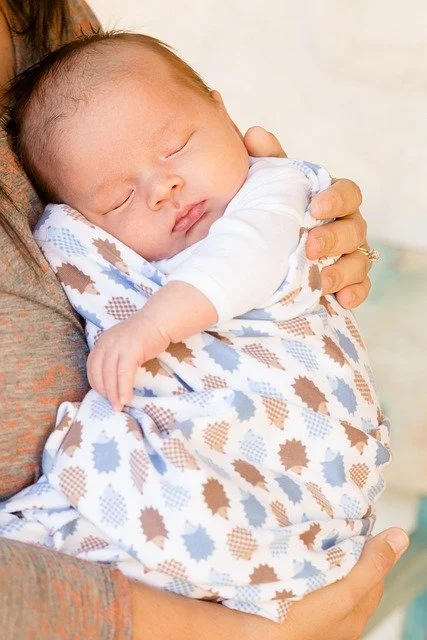
Why Humans Need Touch at Every Stage of Life
Human touch activates specific neuro-hormonal pathways in the body that signal safety and connection. Gentle, attuned touch stimulates the release of oxytocin (bonding and trust), serotonin (mood stabilization), and endorphins (pain reduction), while lowering cortisol, the primary stress hormone.
As mammals, our nervous systems are designed to regulate with one another through skin to skin contact, rhythm, warmth, and presence. When touch is absent or limited, the body often remains in low grade fight or flight, contributing to chronic tension, anxiety, and fatigue. This need for touch does not diminish with age, it becomes more important as life grows more complex and stressful.
So, touch is very much rooted in a quality of life, and there are options for everyone to receive and give touch, regardless of age, gender or partnered/single status.
Being pro-active about it is always a healthy attitude to have, and especially so in our lives during times of either low grade or high grade fight-or-flight stress response. Knowing your options and resources for human touch matters so that you have ways to stay connected and feel inner calm.
Touch Exists in Many Forms
Healing touch is not limited to one context. Humans receive nourishment through:
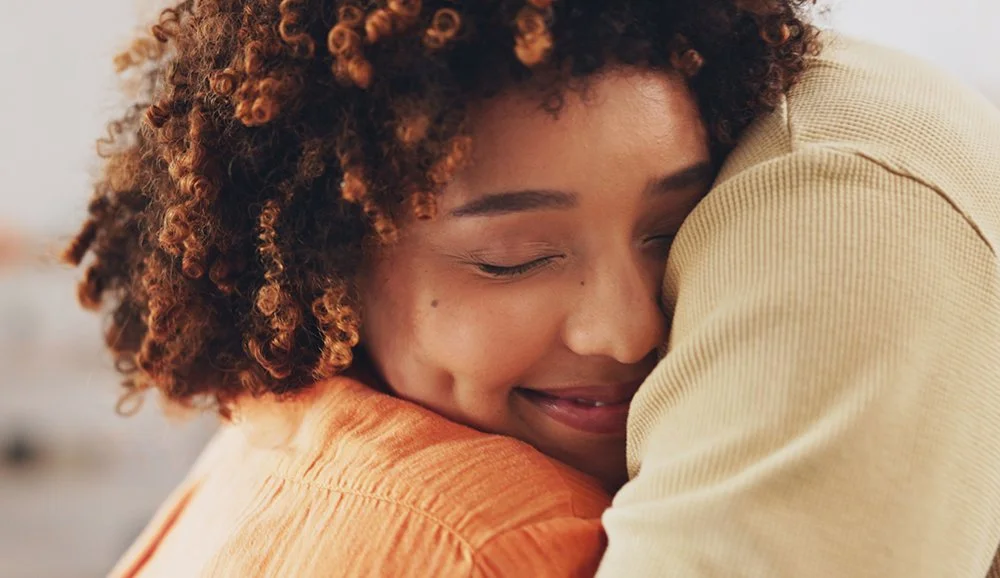
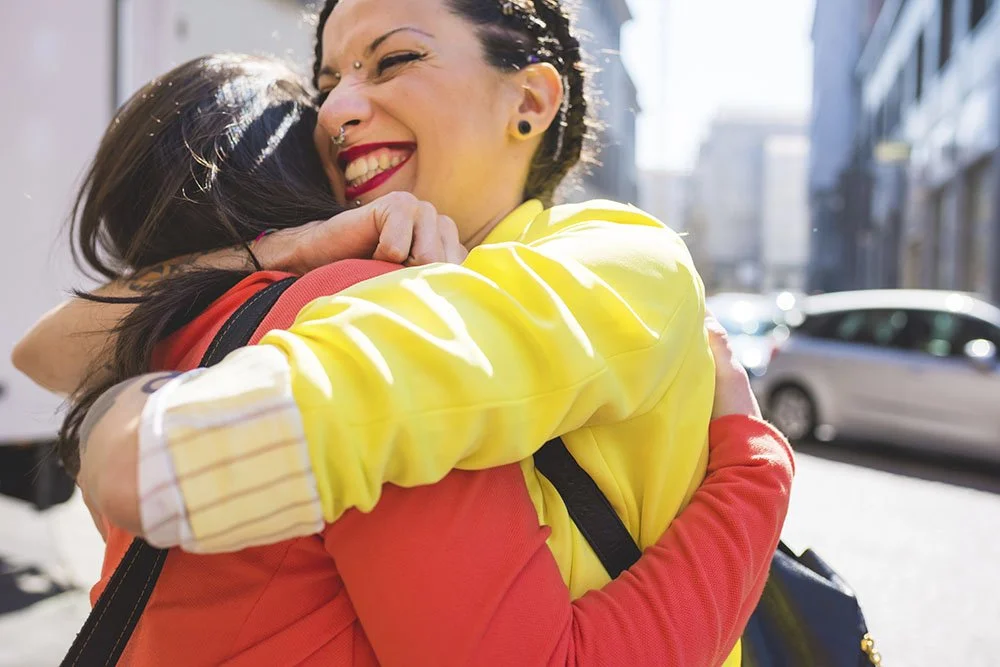
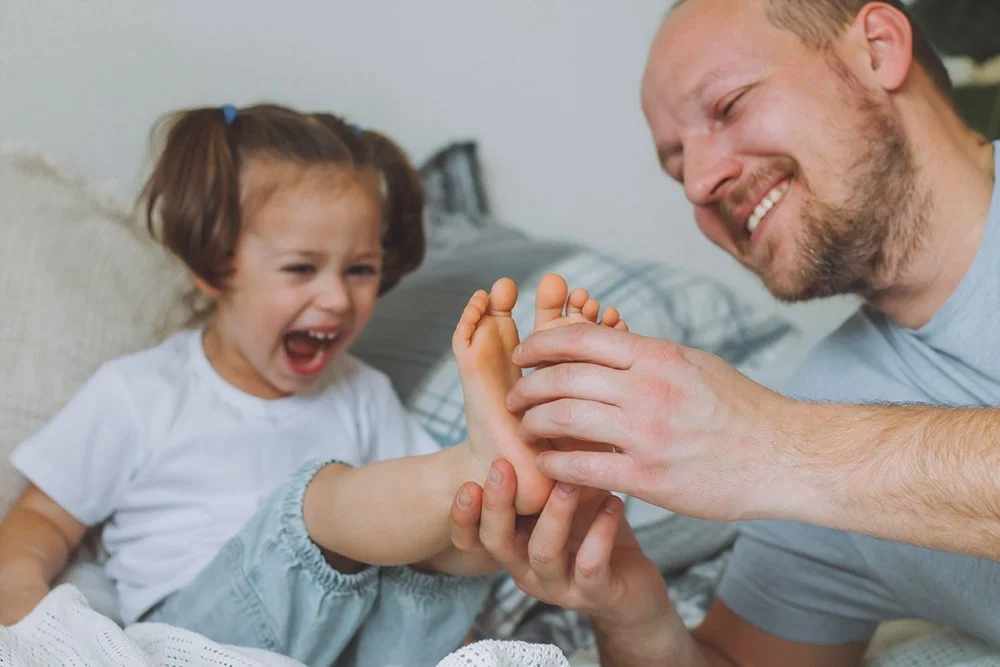
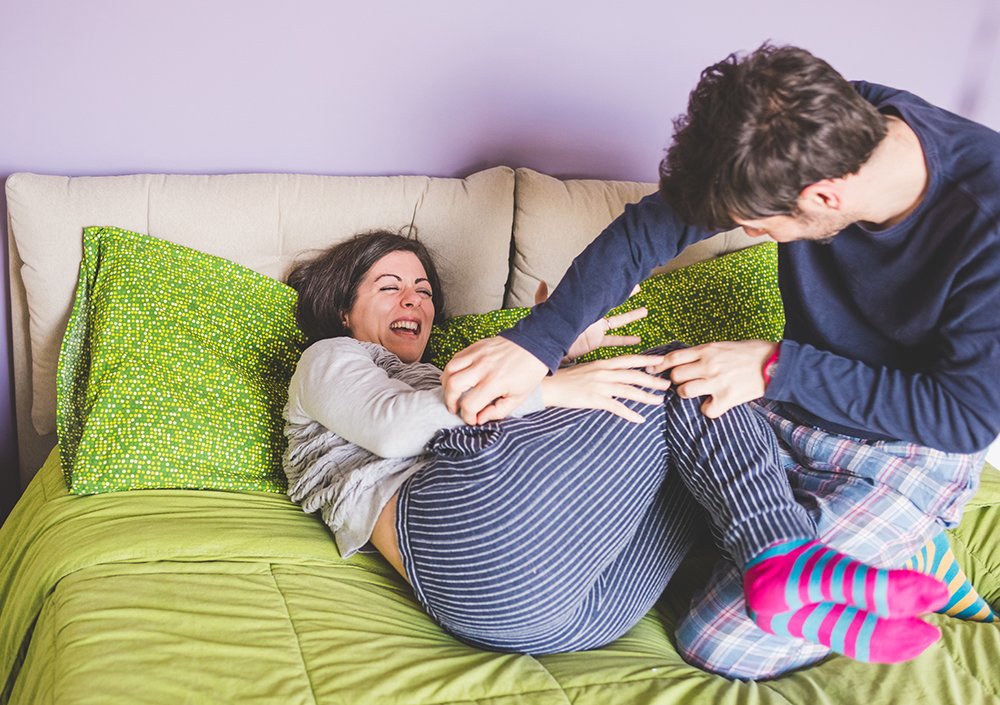
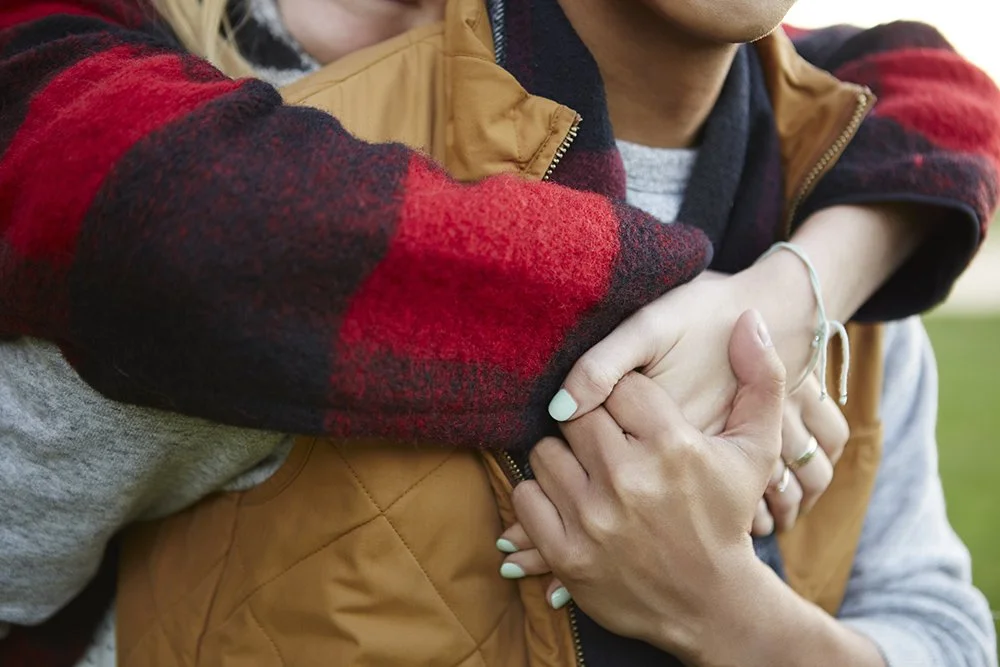
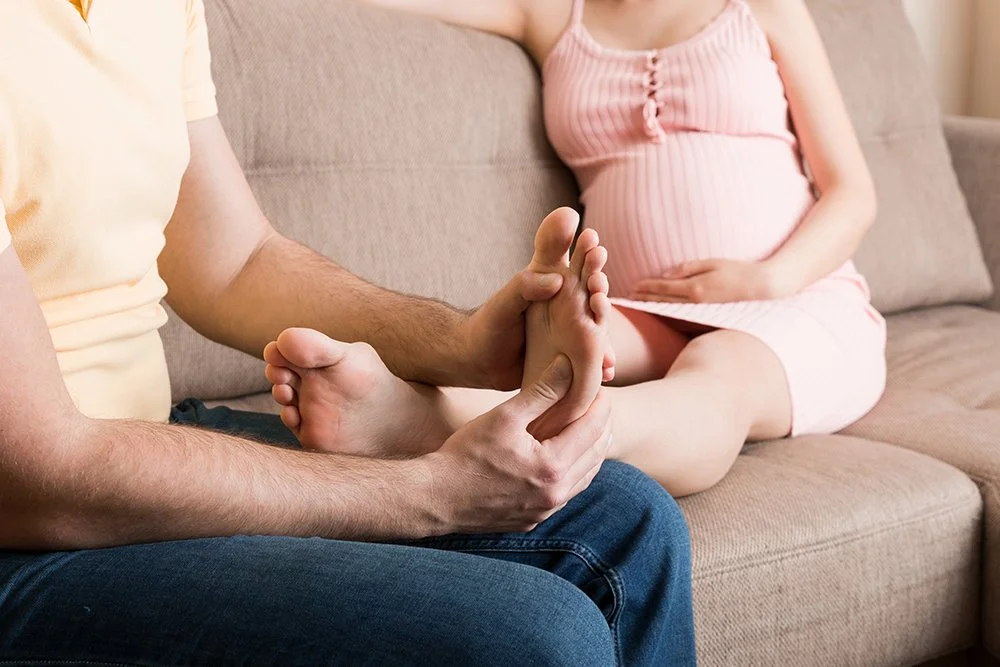
Connection through relationships such as partners, family, friends and community
Social and community movement such as partnered or group dance
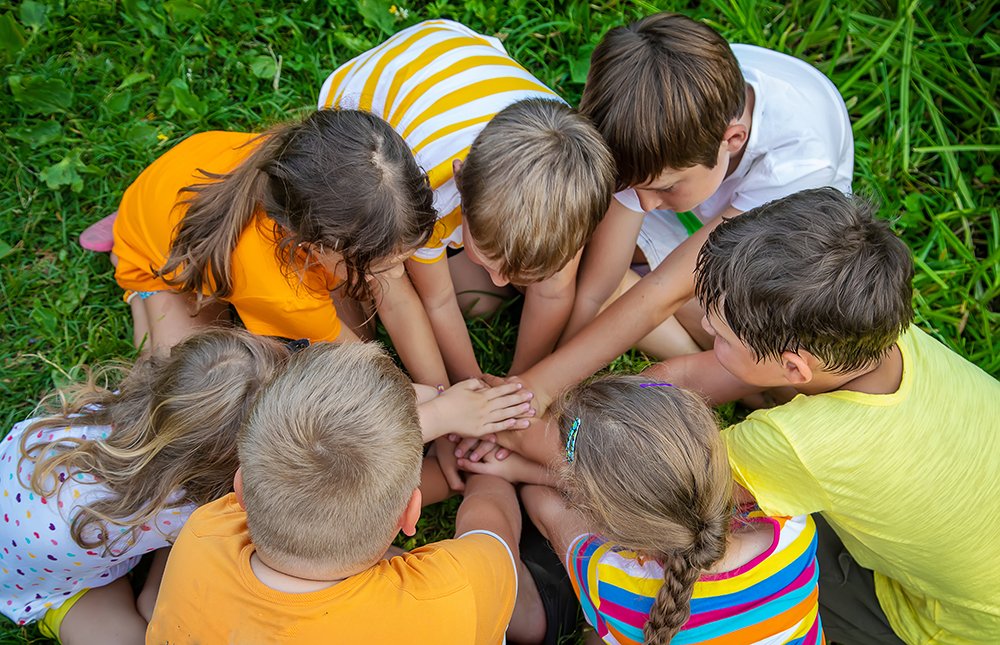
Playing together, group sports, and physical collaboration
Self-contact and self-care
Being in touch with animals (pets or otherwise) and the natural world
Professional, therapeutic, attuned bodywork
Each of these plays a role in regulating the nervous system.
When some forms are missing, others become even more important.
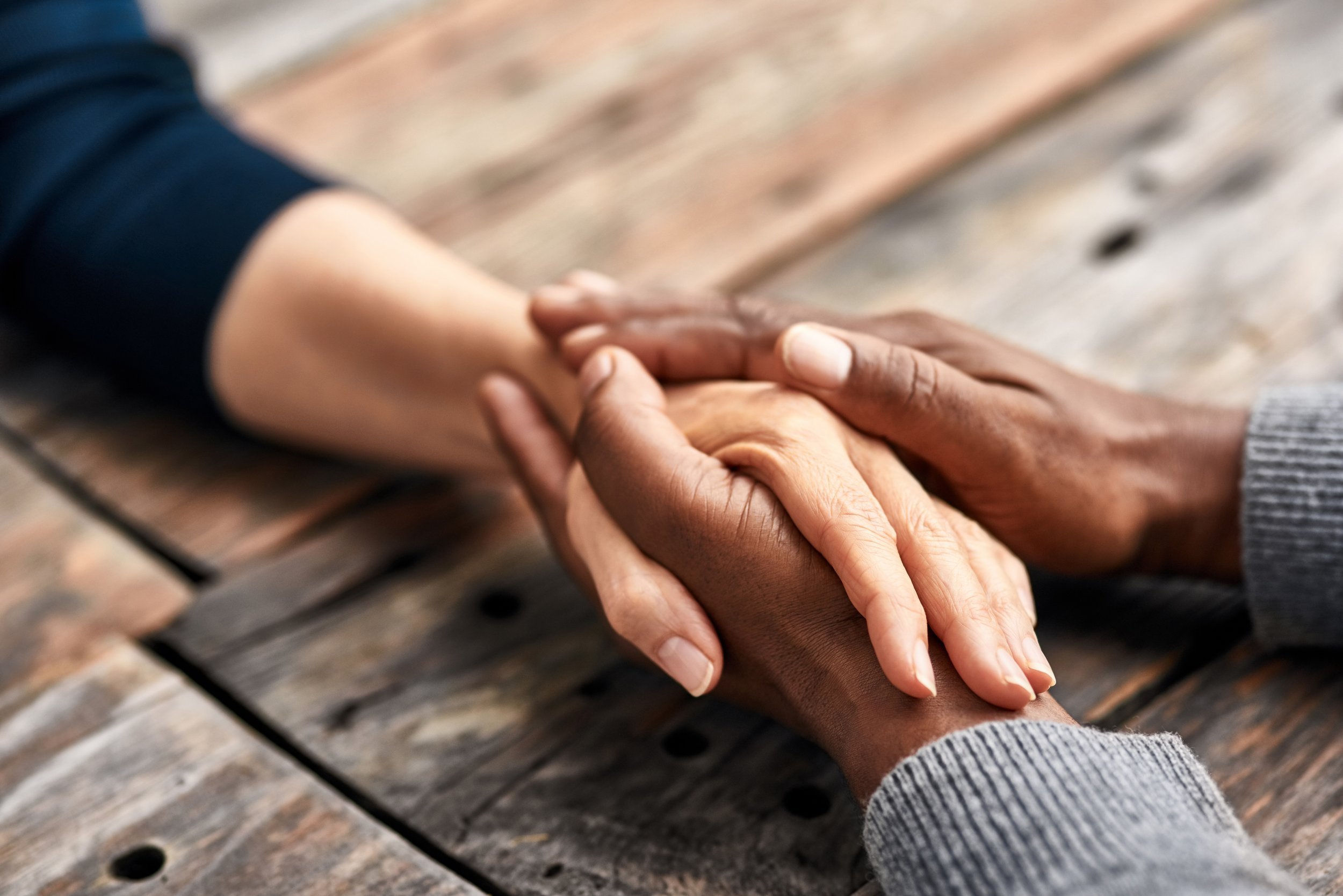
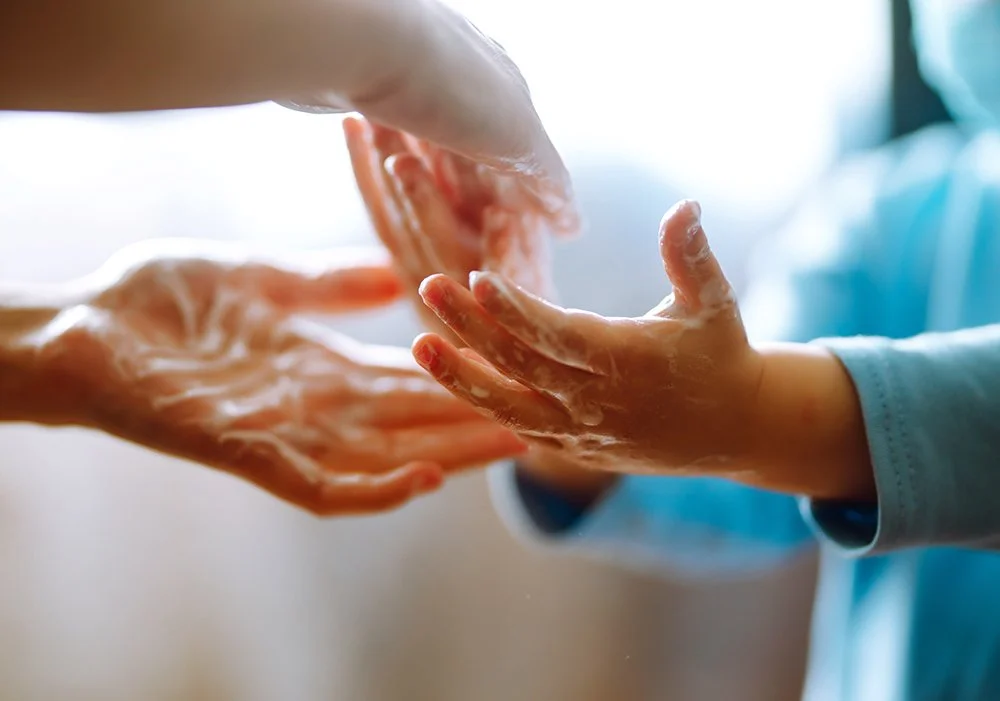
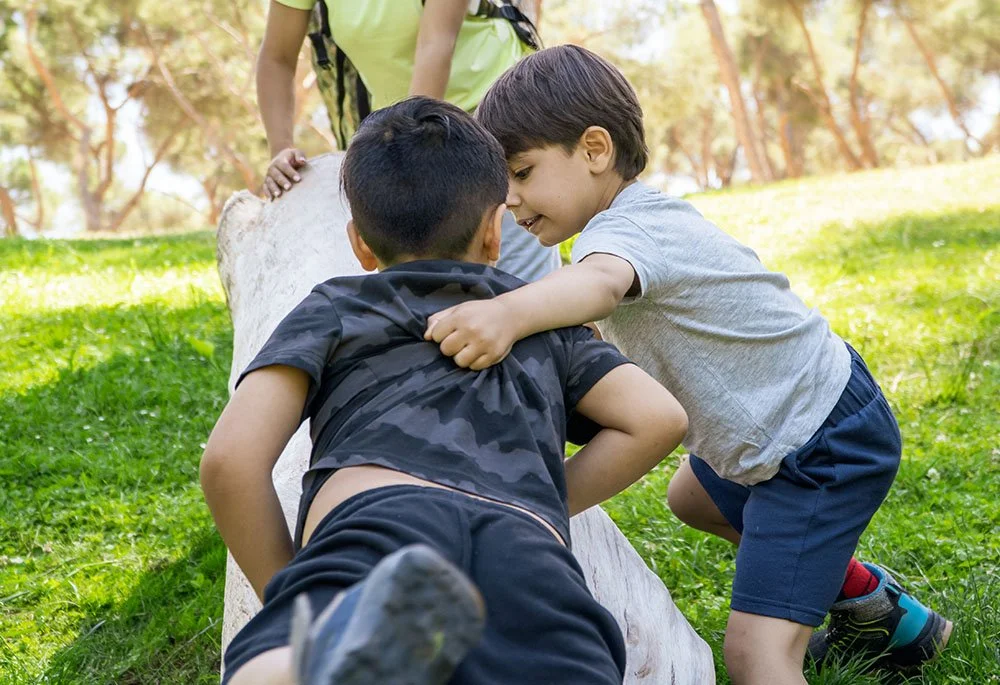


Acknowledging Changes In Our World
In a fast, digital world where screens replace hands and productivity replaces rest, many people are unknowingly touch deprived and the body adapts by holding tension, staying alert, or feeling chronically “on.”
Questions Worth Asking For All of Us
What kind of human touch am I missing the most?
Is it about receiving or giving aspect of it, or both?
How to speak or share about it so that I can be simple about the fact of missing touch in the same way I know I need more of vitamin D?
How to go about proactively finding a way to experience more of the touch I’m missing in my life?
How to engage my partner, friend or family member in the conversation, and/or team up to create opportunities for what we need?
Learning From Each Other
What additional questions do you have about creating more opportunity for touch?
Or solutions you came about that you could share with others?
Please share your solutions and questions you might have:
Why Therapeutic Touch Matters
In a culture that often limits safe, consensual touch, professional therapeutic bodywork becomes essential.
It offers a place where the nervous system can rest, reorganize, and heal—without expectation or performance.
My work is grounded in attunement. I listen with my hands.
I work with the body as a living system—one that responds to presence, safety, and care.